

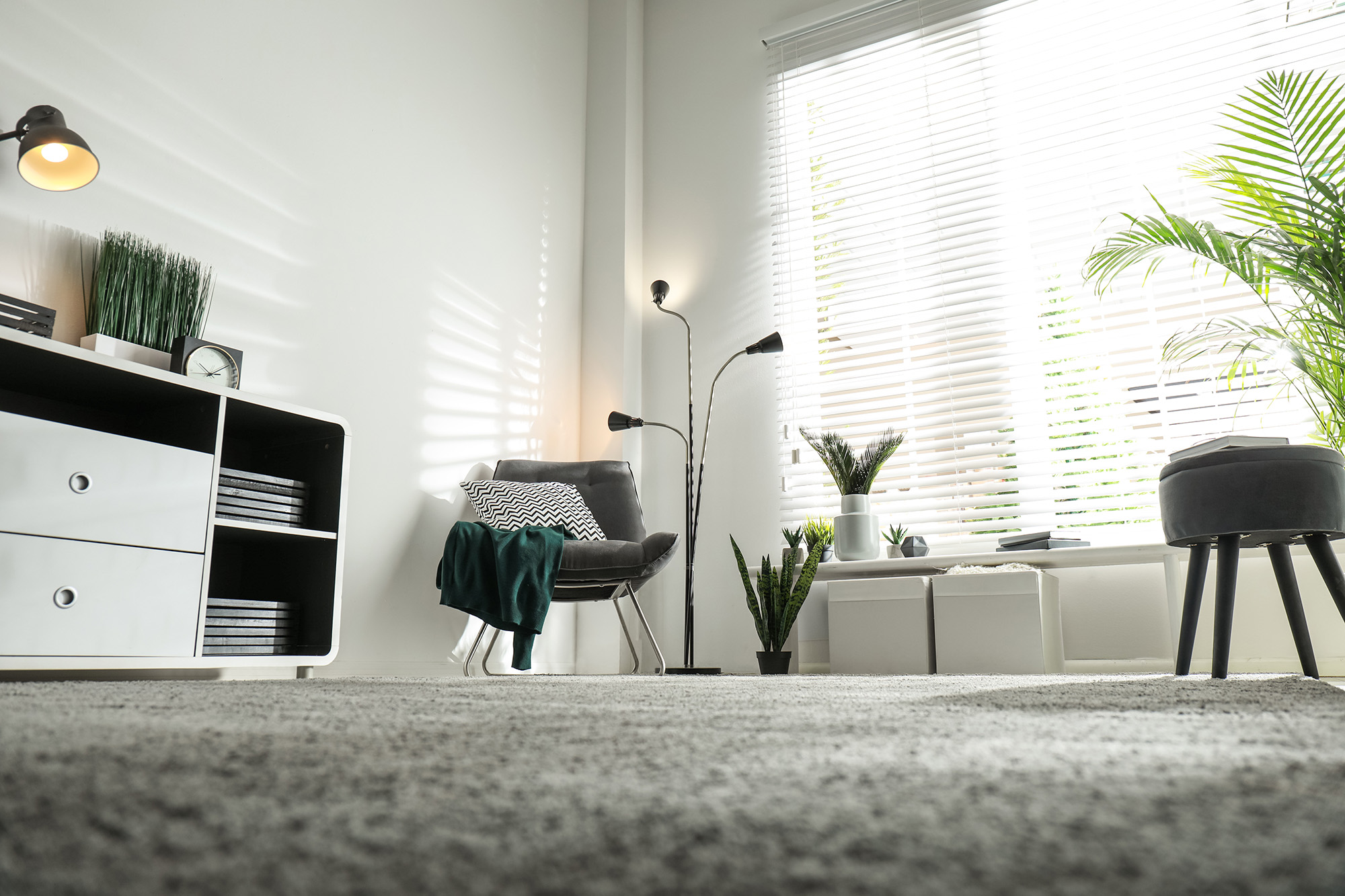
When winter temperatures drop, cold air has a way of seeping into your home through doors, drafty windows, and uninsulated subfloors. Hard, bare flooring materials like tile or natural stone can pull heat right out of a room, making your living space feel chilly no matter how high you turn up the furnace. Installing carpet provides immediate thermal resistance, creating a barrier that traps ambient warmth and keeps foot traffic comfortable even on the coldest mornings.
Choosing the Right Fiber for Insulation
Not all carpets insulate equally. Bulkier wool and thick nylon cut-pile styles excel at trapping warm air within their fibers. Wool is a natural insulator that manages room temperature efficiently while keeping humidity levels balanced. High-density nylon or triexta carpets with a dense pile height offer similar thermal protection alongside exceptional durability. Pairing these fibers with a heavy-density polyurethane or rubber cushion underneath multiplies the insulation value, effectively lowering winter energy costs by reducing thermal transfer through the floor.
Color and Texture Strategies
Visual warmth matters just as much as physical warmth during gray winter months. Deeper earth tones, honey-warm neutrals, and rich heathered textures make rooms feel grounded and inviting. Cut-and-loop patterns add depth underfoot, catching light in ways that soften large, open floor plans. Avoid stark cool tones in poorly lit rooms, as they can exacerbate the feeling of winter chill.
Pro Tip: Look for carpet options with higher face-weights (at least 40 to 50 ounces per square yard) when insulating rooms situated over unheated crawlspaces or concrete slabs.
If you are ready to prepare your living space for the colder months ahead, visit our showroom today to explore our extensive collection of insulating carpets and premium padding options.


