

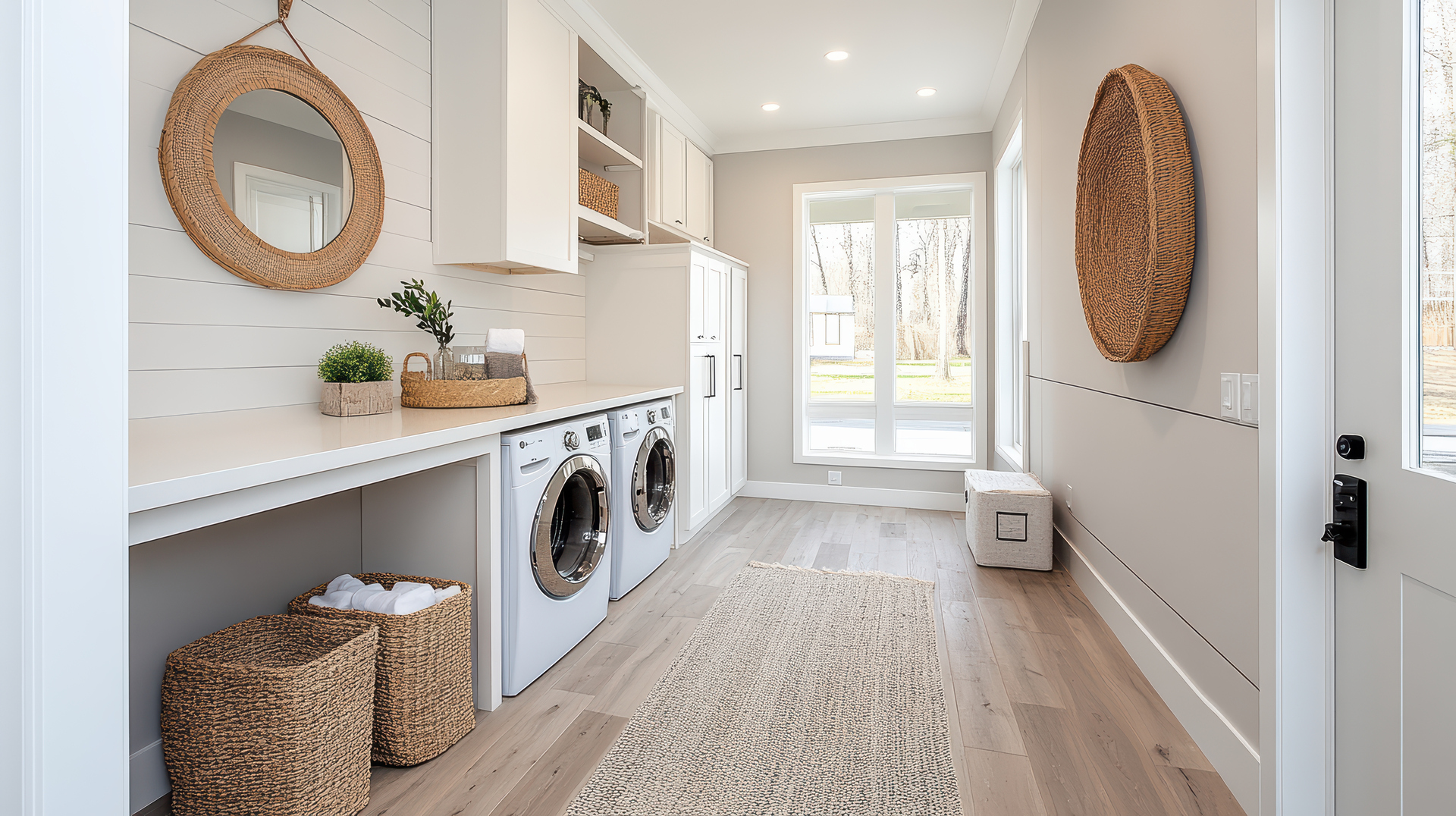
Laminate flooring has come a long way from its early days. Today’s options offer impressive durability, realistic wood visuals, and enhanced protection against everyday spills. However, one of the most common points of confusion in the showroom is the difference between waterproof laminate and water-resistant laminate. While the terms sound similar, the performance can vary significantly depending on the space and lifestyle needs.
Understanding what sets these two categories apart helps ensure the right choice for kitchens, entryways, living rooms, and even lower-level spaces.
Where water resistance begins
Water-resistant laminate is designed to handle everyday accidents. Think minor spills, pet bowls tipping over, or wet shoes after a North Dakota snowstorm. The surface layer is sealed to slow moisture penetration, and the core is engineered to resist swelling for a limited time.
In most cases, water-resistant laminate can protect against moisture for several hours if cleaned up promptly. This makes it a practical solution for many main living areas. For homeowners exploring modern laminate visuals and performance features, browsing a full range of options through a dedicated laminate flooring products page helps clarify the differences in construction and protection levels.
That said, water-resistant does not mean waterproof. Extended exposure to standing water can still cause the core to swell or edges to warp if moisture seeps between planks.
What makes laminate truly waterproof
Waterproof laminate goes a step further. The difference lies primarily in the core technology and locking system. Instead of relying only on a sealed top layer, waterproof laminate features a tightly engineered core that resists moisture penetration from both the surface and seams.
Many waterproof products use high-density cores treated to block water absorption entirely for extended periods. Advanced locking systems also help prevent water from slipping between boards. This construction makes waterproof laminate a strong contender for moisture-prone areas like kitchens, mudrooms, and some finished basements.
For households comparing performance-driven flooring categories, reviewing how laminate compares with other resilient surfaces such as luxury vinyl flooring options can also provide helpful perspective. Both offer moisture protection, but construction and feel underfoot differ.
Core construction and why it matters
The internal core is the true differentiator between these two categories. Traditional laminate cores are fiber-based and designed for strength and stability. Water-resistant versions improve this structure but still depend on timely cleanup.
Waterproof laminate, on the other hand, incorporates enhanced density and specialized treatments that limit water absorption altogether. This reduces the risk of swelling and edge damage even when spills sit longer than expected.
In a climate like Bismarck’s, where snow, slush, and seasonal moisture are part of everyday life, core integrity plays a major role in long-term performance.
Installation details influence performance
Even the best waterproof technology can underperform if installation is not handled correctly. Proper subfloor preparation, moisture testing, and expansion spacing all impact how laminate performs over time.
Water-resistant laminate requires careful sealing around perimeter edges and transitions to prevent moisture migration. Waterproof laminate offers more flexibility but still benefits from precise installation practices to ensure seams remain tight and secure.
Professional installation ensures the product performs exactly as designed, particularly in areas exposed to fluctuating humidity levels.
Matching performance to real-life use
The decision between waterproof and water-resistant laminate should align with how a space is used. Busy kitchens with frequent spills, pet-friendly households, and high-traffic entryways often benefit from waterproof technology for added peace of mind.
Water-resistant laminate remains an excellent choice for living rooms, bedrooms, and home offices where moisture exposure is occasional and manageable.
Both categories offer realistic wood visuals, scratch resistance, and durable finishes. The key difference is how much moisture exposure the flooring needs to handle comfortably.
Long-term value and everyday confidence
Investing in the right moisture protection reduces the likelihood of costly repairs or premature replacement. Waterproof laminate typically carries a slightly higher upfront cost, but for the right environment, it can deliver greater long-term value through added durability.
Water-resistant laminate remains a dependable, budget-conscious option for areas where water exposure is limited and quickly addressed.
Selecting the correct category ultimately comes down to understanding daily routines, household activity levels, and environmental conditions.
Exploring the right laminate solution for your home
Choosing between waterproof and water-resistant laminate does not have to feel overwhelming. Our flooring experts at Carpet World Bismarck are ready to guide every step of the process, from product selection to professional installation. Visit our showroom or connect through our contact us page to schedule a free in-home estimate and discover the ideal laminate solution for your space.


