

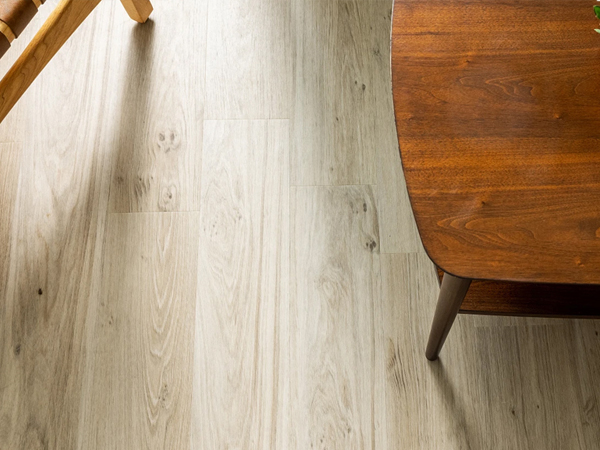
Laminate flooring has become a reliable choice for homes that want the look of wood with added durability and easy maintenance. What many do not realize is that the performance of laminate starts beneath the surface. The core layer plays a major role in how the floor feels, holds up over time, and responds to everyday use.
At Carpet World Bismarck, projects across Bismarck and the Missouri River Valley often begin with conversations about what is inside the plank, not just how it looks. When exploring options on the laminate flooring collection, understanding core types helps narrow down the right fit for each space.
Why the core layer shapes laminate performance
The core of laminate flooring is the structural center that gives each plank its strength and stability. It supports the wear layer on top and determines how well the flooring resists impact, moisture, and daily stress.
Different core materials respond differently to pressure and environmental changes. This is why two laminate floors that look similar on the surface can perform very differently once installed. The insights in our laminate flooring information guide help break down how these layers work together.
HDF cores and high-density strength
High-density fiberboard, commonly known as HDF, is one of the most widely used core materials in laminate flooring. It is engineered with tightly compressed wood fibers, creating a dense and durable base.
Where HDF stands out in everyday use
HDF cores are designed to handle impact and maintain their shape under pressure. This makes them a strong choice for active households where flooring needs to perform consistently.
- Higher resistance to dents and heavy furniture
- Better stability in high-traffic areas
- Strong locking systems for tighter plank connections
MDF cores and a softer structure
Medium-density fiberboard, or MDF, is a lighter and less dense alternative to HDF. While still engineered for flooring use, it offers a different balance of performance characteristics.
When MDF may be considered
MDF cores can work well in areas with lighter foot traffic where extreme durability is not the primary concern. They provide a comfortable feel underfoot and can be easier to work with during installation.
- Slightly softer feel compared to HDF
- Suitable for low-traffic rooms
- Often used in budget-conscious projects
Moisture response and long-term durability
Moisture is one of the key factors that separates HDF and MDF performance. While laminate is not fully waterproof, the density of the core influences how it reacts to spills and humidity.
HDF tends to resist swelling better due to its tighter structure. MDF, on the other hand, can absorb moisture more easily if exposed over time. This makes core selection especially important in areas like entryways or kitchens.
Working with experienced teams during flooring installation helps ensure the right material is chosen based on how each space will be used.
Matching the core type to the space
Choosing between HDF and MDF is not about one being universally better. It comes down to how the room functions and what level of durability is needed.
High-traffic areas, homes with pets, or spaces with frequent activity often benefit from the strength of HDF. Quieter rooms or areas with lighter use may find MDF to be a suitable option.
Balancing these factors ensures the flooring performs as expected while maintaining its appearance over time.
A closer look at what sits beneath the surface
The core layer may not be visible once the floor is installed, but it has a lasting impact on performance. Understanding these differences helps avoid surprises and supports more confident flooring decisions.
Taking the time to evaluate core types leads to better long-term results and a floor that continues to meet expectations.
Find the right laminate structure for any room
Choosing laminate flooring goes beyond surface design. Carpet World Bismarck helps homeowners across Bismarck and the Missouri River Valley select flooring built for real-life use, from core structure to final installation. Schedule a free in-home estimate to explore laminate options that match both style and performance needs.


